

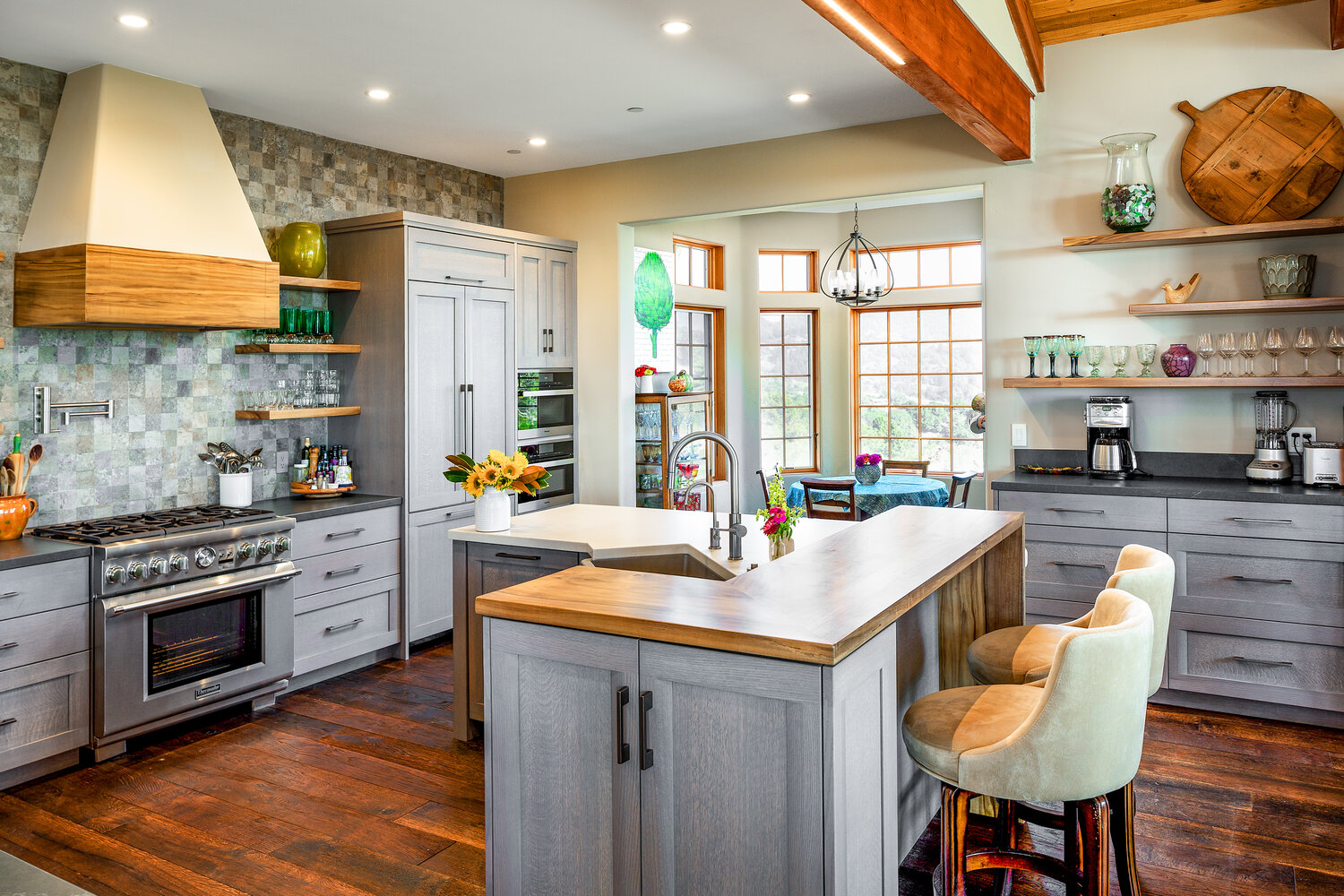
You pull up old carpet in a farmhouse and there it is: honeyed oak trim, solid four-panel doors, maybe even a little wave in the plaster. The bones are beautiful, but the floors are tired or mismatched. You want the warmth of new hardwood underfoot, without losing the soul that’s already there. That balance between fresh and original is where thoughtful design really matters.
Start with the Wood You Already Have
In an older home, the existing millwork is your north star. Before you ever look at samples, study the species, undertone, and sheen of the doors and casings. Many early-1900s farmhouses used oak or fir, often stained in warm ambers or medium browns that have mellowed over time. The goal isn’t to copy that exactly, but to choose a floor that feels like it could have always belonged.
When you browse a curated hardwood flooring collection, look at grain pattern and color first, not just product names. Straight, tight grain feels more traditional; dramatic knots and heavy texture push rustic. In a home filled with original trim, a quieter plank often lets the craftsmanship of the woodwork stay center stage.
Coordinate… Don’t Compete
Perfect matches are rare, and forcing one can actually make the difference more noticeable. Instead, think in terms of harmony. If your trim leans warm and golden, choose a floor in a similar temperature family but a shade lighter or darker so they relate without blending into each other. That slight contrast helps both elements read as intentional.
Sheen plays a big role too. High-gloss floors next to satin-finish doors can make the trim look dull. A low-sheen or matte plank usually feels more period-appropriate and hides the dust and farm-life grit that come with our four-season climate. For rooms that need extra durability—like mudrooms or busy kitchens—wood-look laminate flooring options can echo the tone of your original carpentry while standing up to boots, pets, and the occasional bit of snow or mud.
Respect the Architecture, Update the Lifestyle
Century-old homes weren’t designed for open-concept living, but your flooring can help spaces feel more connected without erasing the character. Running planks the same direction through adjoining rooms visually stretches the footprint and calms all the different doorways and casings. Wider boards lend a more modern feel, while traditional widths keep things classic; often, a mid-width plank is the sweet spot when you’re blending eras.
If you’re updating bathrooms or an entry at the same time, lean into materials that complement the warmth of the wood rather than fight it. Soft, stone-inspired tile works beautifully, especially when it picks up a fleck of the trim color. You can see how a cohesive palette pulls everything together in the studio’s before-and-after project gallery, where floors, tile, and paint all support the architecture instead of competing with it. For a full bath refresh, pairing new hardwood in adjacent halls with coordinated bathroom remodeling finishes keeps the transition from old to new feeling seamless.
Fine-Tuning with Finish, Direction, and Details
Once you’ve narrowed down a species and color, the details finish the story. Board direction should usually run with the longest dimension of the room or parallel to the main source of light; in long farmhouses, that often means following the length of the house so original doors open onto planks that feel natural. If your home has a mix of original and new trim, consider using thresholds or simple transitions at doorways to “reset” the eye between slightly different tones.
Finish color is where we often test two or three close options in the actual light of your rooms. North-facing spaces can cool down warm stains, while bright southern windows may intensify red or orange undertones. Viewing samples at different times of day is essential, which is why many homeowners like to explore the studio’s flooring inspiration galleries before we lay physical samples against their existing woodwork.
Blending new hardwood with original doors and trim isn’t about erasing age; it’s about honoring it while giving your home the comfort and function you need today. If you’re ready to sort through species, stains, and layouts with a designer who understands both historic charm and everyday life, you can request a consultation and start mapping out a floor that feels right from the first step.


